How Do Smartphones Influence Digital Content Creation?
Digital content creation has shifted from planned production to constant output. Smartphones sit at the center of this change. They allow creators to capture, edit, and publish content within minutes. This speed changes how ideas develop. Creators no longer wait for perfect conditions. They respond to trends in real time and adjust their content quickly. The barrier to entry becomes lower, but expectations become higher. Audiences now look for frequent updates, authentic storytelling, and engaging visuals. Smartphones shape not only how content is produced but also how it is consumed. They define pacing, format, and style, creating a mobile-first environment where creativity must adapt to fast-moving platforms.
How Smartphones Transform the Content Creation Process?
Creation Moves from Planned to Spontaneous
Content creation once required preparation, equipment, and dedicated time. Smartphones remove much of that structure. Creators can capture ideas the moment they appear. A quick video, a photo, or a short clip becomes publishable content within minutes. This shift encourages spontaneity. Creators focus less on perfect setups and more on capturing authentic moments. As a result, content feels more immediate and relatable. Audiences respond to this style because it reflects real experiences. The creative process becomes fluid. Instead of long production cycles, creators work in short bursts, producing and sharing content continuously throughout the day.
Editing and Publishing Become Instant
Smartphones integrate editing tools directly into the creation process. Creators no longer need separate software or devices. They can trim videos, adjust visuals, and add effects within the same device used for recording. This reduces the gap between creation and publication. A piece of content can move from idea to audience in a single session. This immediacy changes how creators think about quality. Instead of aiming for perfection, they aim for relevance and timing. Fast publishing allows creators to stay aligned with trends and audience interests, making speed a key factor in successful content strategies.
Multi-Format Content Becomes Standard Practice
Smartphones support multiple content formats without additional tools. Creators can produce short videos, long-form clips, photos, and live streams from one device. This versatility encourages experimentation. A single idea can take different forms depending on the platform. For example, a concept may appear as a short clip on one platform and a longer explanation on another. This approach helps creators reach wider audiences. It also changes how content is planned. Instead of focusing on one format, creators design content that can adapt across platforms, maximizing reach and engagement.
How Smartphones Shape Content Style and Audience Expectations?
Authenticity Gains More Value Than Perfection
Smartphones influence how audiences evaluate content. Highly polished production no longer guarantees engagement. Viewers often prefer content that feels genuine and unfiltered. Smartphones make this style easier to achieve. Creators can film in everyday environments without complex setups. This approach builds trust with audiences. It shows real situations and natural reactions. As a result, authenticity becomes a key factor in content success. Creators adjust their style to match this expectation. They focus on storytelling, personality, and relatability rather than technical perfection.
Short-Form Content Drives Attention
Smartphones encourage short-form content consumption. Users scroll quickly and expect content to capture attention within seconds. This behavior shapes how creators structure their work. They place key information at the beginning and maintain a fast pace throughout. Content becomes more concise and visually engaging. Creators use quick cuts, dynamic visuals, and clear messaging to hold attention. This format requires careful planning despite its simplicity. Every second matters. Smartphones define this rhythm by shaping how audiences interact with content on small screens.
Continuous Engagement Becomes a Creative Strategy
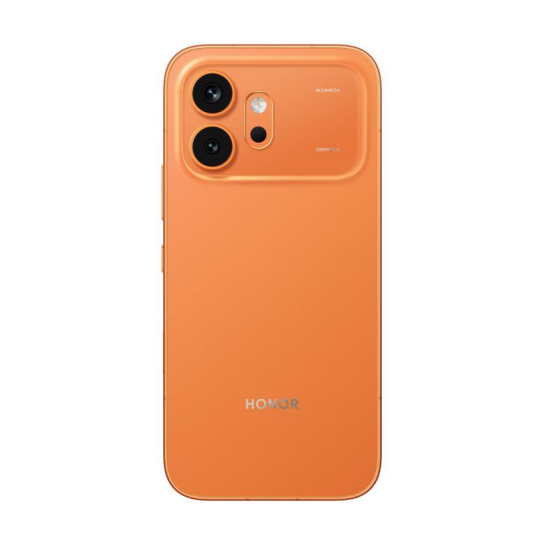
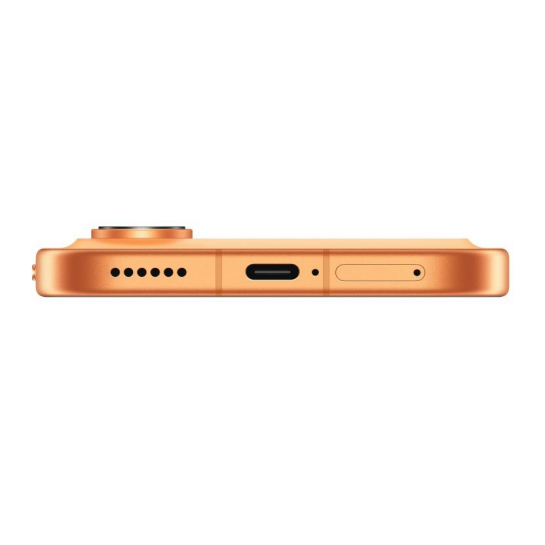
Smartphones connect creators and audiences in real time. Comments, messages, and reactions appear instantly. This feedback loop influences future content. Creators adjust their approach based on audience responses. They build ongoing conversations rather than one-time posts. Devices such as the HONOR 600 support this continuous interaction by enabling smooth transitions between capturing, editing, and engaging with audiences. This dynamic environment changes the role of the creator. They become both content producers and community managers. Engagement becomes part of the creative process, not just a result of it.
Conclusion
Smartphones reshape digital content creation by changing how content is produced, structured, and shared. The process moves from planned production to spontaneous creation. Editing and publishing become immediate, allowing creators to respond quickly to trends. Multiple formats become standard, expanding creative possibilities. At the same time, audience expectations evolve. Authenticity replaces perfection, short-form content dominates attention, and continuous engagement becomes essential. Smartphones create a system where speed, flexibility, and connection define success. Creators who understand these shifts can adapt their strategies and remain relevant in a fast-changing digital landscape.
Hot Articles