Can Smartphones Support High-End Mobile Gaming?
Mobile gaming has developed into a complex and performance-driven activity. Many titles now feature console-level graphics, real-time multiplayer interaction, and large open environments. These demands place pressure on smartphones to deliver consistent speed, visual clarity, and responsiveness. Players expect smooth gameplay without interruptions, even during long sessions. At the same time, devices must remain portable and comfortable to hold. This creates a unique challenge for smartphone design. Manufacturers must balance power, efficiency, and usability. Understanding how smartphones meet these expectations reveals whether they can truly support high-end gaming without compromise in real-world usage, across different game types and performance scenarios.
How Hardware and Physical Design Shape Gaming Performance?
Processing Efficiency Determines Gameplay Stability
High-end mobile games rely heavily on processing performance. The system must manage graphics rendering, physics calculations, and background tasks at the same time. When the processor operates efficiently, it keeps gameplay smooth and stable. Frame rates remain consistent, and input responses feel immediate. This is essential for competitive gaming, where delays can affect outcomes. A well-optimized system avoids sudden drops in performance. It distributes resources intelligently to maintain balance. Over extended sessions, efficiency matters more than peak power. Gamers benefit from a device that sustains performance without overheating or slowing down unexpectedly, ensuring reliable gameplay under pressure and during extended competitive play.
Display Structure Creates a More Immersive View
Gaming is not only about speed. Visual experience plays an equally important role. A wider display with minimal borders increases immersion. Players can see more details and react faster to in-game events. A bezel-free design reduces distractions and enhances focus. Clear contrast and balanced brightness also improve visibility across different environments. Outdoor visibility becomes important for users who play on the go. A well-designed screen ensures that visuals remain sharp and readable. This allows gamers to maintain performance regardless of lighting conditions, whether indoors, outdoors, or in changing environments where lighting can vary quickly.
Ergonomic Design Supports Extended Use
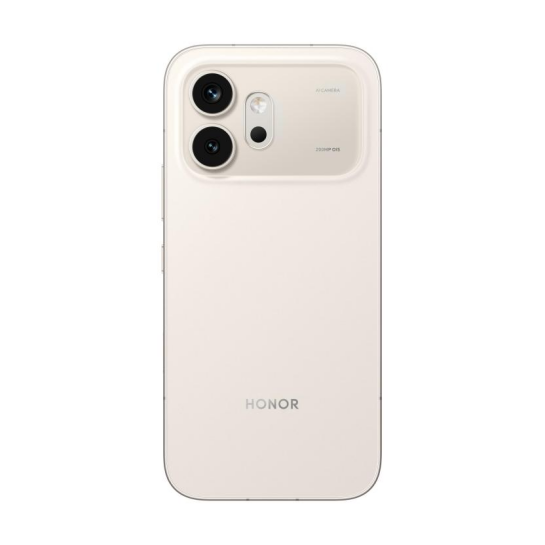
Comfort directly affects gaming endurance. A lightweight device reduces fatigue during long sessions. Smooth edges and balanced proportions improve grip and control. Materials also play a role. A matte frame can provide a more secure hold, especially during intense gameplay. Symmetrical design contributes to a natural feel in the hand. These details may seem subtle, but they influence overall usability. Devices like the HONOR 600 reflect how thoughtful design can enhance gaming comfort. A refined structure and balanced weight help users stay focused without distraction, even during extended gaming sessions that require consistent hand positioning.
How Do System Features and Software Enhance Gaming Experience?
Power Management Keeps Gameplay Continuous
Gaming places heavy demands on battery life. A device must deliver enough power to support extended sessions. Efficient energy management helps maintain performance while reducing unnecessary consumption. Fast charging adds another layer of convenience. It allows users to quickly return to gaming without long interruptions. Reverse charging features also provide flexibility in daily use. Reliable power support ensures that gaming remains uninterrupted. This consistency allows players to focus on performance rather than battery concerns, making long gameplay sessions more practical and enjoyable across different usage patterns.
Stability and Optimization Maintain Consistency
High-end gaming requires a stable system environment. The device must manage heat, memory, and background processes effectively. Optimization ensures that resources are allocated correctly. This prevents performance drops during critical moments. Stability also improves long-term reliability. Users can trust the device to perform consistently across different games. A stable system creates a smoother and more predictable experience. It reduces frustration and enhances overall satisfaction. Over time, consistent optimization becomes a key factor in determining whether a smartphone can truly support advanced gaming needs without performance fluctuations.
Multi-Functional Capabilities Extend Value
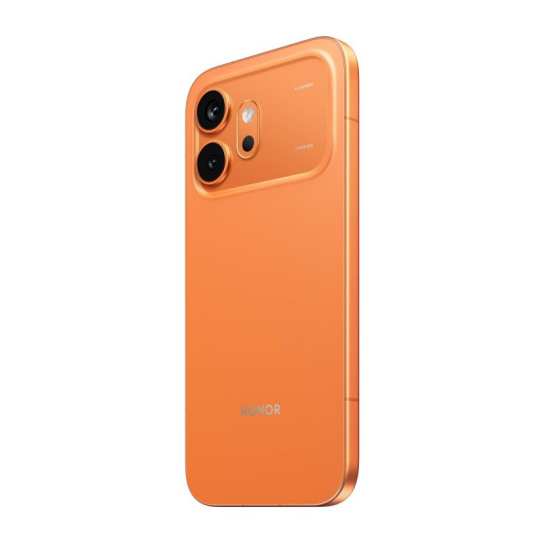
A gaming smartphone must also handle everyday tasks. Users often switch between gaming, photography, and communication. A versatile device adds more value to the overall experience. Advanced camera systems, for example, allow users to capture moments beyond gaming. High-quality imaging features provide additional utility. Strong display performance benefits both gaming and media consumption. This flexibility ensures that the device remains useful throughout the day. It becomes more than just a gaming tool. It supports a wide range of user needs in a single platform, improving overall user satisfaction and long-term usability.
Conclusion
Smartphones can support high-end mobile gaming when they combine efficient processing, immersive display design, and user-focused ergonomics. These elements create a stable foundation for smooth gameplay. At the same time, power management, system optimization, and multi-functional capabilities enhance the overall experience. Modern devices are designed to balance performance with usability. This allows users to enjoy demanding games without sacrificing comfort or convenience. As mobile technology continues to evolve, smartphones are becoming increasingly capable gaming platforms that meet both entertainment and everyday needs, offering a well-rounded digital experience.
Hot Articles