Top Smartphone Innovations Changing Daily Life
Smartphones have changed how people work, travel, shop, and socialise. Continuous innovation adds advanced features to everyday chores, driving this change. Current smartphones offer huge capabilities in little containers, from AI to better cameras and longer battery life. These changes affect productivity, happiness, and security. Understanding the latest smartphone innovations helps users make better choices and use their devices more effectively. These technologies are changing mobile experiences and affecting daily life in practical and obvious ways. Future gadget trends and foreign smartphone breakthroughs will also be covered.
What Are the Most Important Smartphone Innovations Today?
AI Features and Smart Assistants in Everyday Use
Smartphones nowadays are smarter and more responsive to customer requests thanks to artificial intelligence. AI voice assistants manage calendars, send messages, and control smart home devices with easy commands. It improves typing predictions, language translation, and user-activity-based recommendations. Smartphone makers employ on-device AI to increase efficiency and safeguard user data, reducing cloud processing. Real-time transcription, photo recognition, and contextual suggestions simplify daily tasks. AI provides voice navigation and visual aid to disabled people, promoting accessibility. These smart gadgets learn and adapt to user preferences. Smartphones look more straightforward and efficient, enabling consumers to perform tasks faster and tailor their digital experience.
Camera Technology and Computational Photography Advances
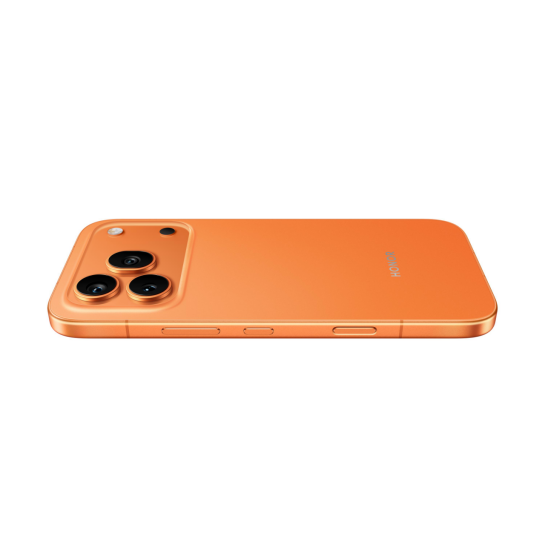
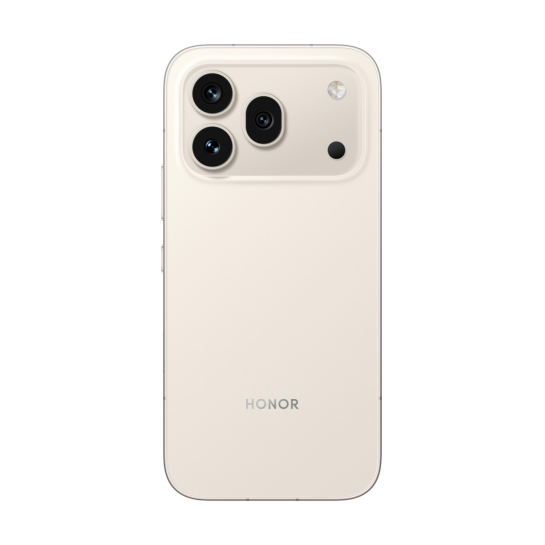
Smartphone cameras now deliver professional-level results, driven by advanced hardware and powerful AI. Devices like the HONOR 600 Pro lead this shift with a 200MP ultra-clear AI main camera, built on a large 1/1.4-inch sensor that captures exceptional detail, even at night. Computational photography, in conjunction with capabilities like AI RAW improvement and OIS + EIS dual stabilisation, produces clearer, more stable photographs under all conditions. Multi-lens systems, such as a 50MP periscope telephoto lens with 3.5x optical zoom and an ultra-wide camera, provide creative freedom. AI-enhanced night modes and portrait features retain natural-looking colours and facial details. Beyond photography, AI systems can now convert photographs into cinematic movies, making content production quicker, simpler, and more dynamic for regular people.
Battery, Fast Charging, and Power Efficiency Breakthroughs
Battery technology is crucial to daily mobile usage. Recent innovations attempt to extend battery life and reduce charging time. Companies make more energy-efficient CPUs and software that adjusts to usage patterns. Fast charging systems boost battery levels in minutes, decreasing downtime. Wire-free charging is convenient in many situations. Smartphones with reverse wireless charging may charge accessories or other phones. Better battery materials and thermal management improve safety and durability. Power-saving options let users control performance and energy utilisation. These innovations ensure that cellphones are reliable for work, recreation, and communication even during lengthy days without charging.
How Do Smartphone Innovations Improve Daily Life?
Foldable Displays and New Design Experiences
Foldable smartphones combine mobility and screen space in an innovative way. Users may switch between tiny and tablet-like modes, improving multitasking and media consumption. Flexible display technology smooths transitions and strengthens folding mechanisms for frequent use. Split-screen apps, document editing, and immersive video viewing increase productivity on larger monitors. A powerful device may be carried comfortably and discreetly. Manufacturers constantly improve hinge and screen designs for durability and functionality. Foldable phones provide new app experiences for multiple screen sizes. This development changes how consumers use their phones, making them more useful for work and play. Foldable designs are expected to grow increasingly popular as technology progresses.
5G, Connectivity, and Seamless Device Integration
5G improves smartphone communication with faster speeds and lower latency. Stream high-quality content, play online games, and download large files rapidly. These enhancements benefit real-time applications such as video conferencing, cloud gaming, and remote work. Smartphones seamlessly integrate with wearables, PCs, and home automation devices. Users may share files, sync data, and continue working across platforms via cross-device ecosystems. Connectivity enhances navigation, mobile payments, and location-based apps. Reliable networks facilitate corporate communication and collaboration. Infrastructure expansion provides more individuals with dependable high-speed connections. These advancements transform smartphones into digital hubs that strengthen connectivity between people, devices, and internet services.
Security Features, Biometrics, and Privacy Protection
Smarter smartphone security safeguards sensitive information and user privacy. Biometric identity methods such as fingerprint scanning and facial recognition provide quick and secure device access. Advanced sensors and AI algorithms ensure accuracy and prevent unauthorised access in these systems. Personal information such as words, photos, and money is encrypted. Many telephones have secure enclaves or hardware to store credentials. User privacy settings restrict app access to GPS, camera, and microphone data. Upgrades to software improve system security and decrease vulnerabilities. If a device is lost or stolen, remote tracking and data wiping protect the data. These enhancements comfort smartphone users regarding communication, banking, and other digital activities.
Conclusion
Smartphone developments continue to transform how individuals engage with technology and manage their everyday lives. Advances in artificial intelligence, camera systems, battery performance, and connectivity have made gadgets more powerful and efficient than ever. New innovations, such as foldable screens, increase usefulness, while increased security measures safeguard personal data in an increasingly digital society. These advancements not only improve convenience but also promote productivity, creativity, and communication. As technology advances, cellphones are set to become increasingly more interwoven into daily life, providing smarter and more tailored experiences. Staying up to date on these advances allows consumers to fully use their gadgets and confidently react to shifting digital trends.
Hot Articles