Why Do Smartphones Drain Faster During Navigation?
Smartphones drain faster during navigation because multiple components run at high intensity without breaks. Unlike casual browsing or short tasks, navigation relies on real-time positioning, constant data updates, and uninterrupted screen activity. The device must know where it is, where it is going, and how fast it is moving at every moment. This creates a sustained workload that demands more power from the processor, GPS hardware, sensors, and network modules. People often notice this drain most clearly during long drives or trips in unfamiliar areas. As users look for stable performance under these demanding conditions, some appreciate smartphones designed with efficient system management, which helps maintain smoother navigation even during extended use.
How Core Navigation Technologies Increase Power Consumption
Continuous GPS Tracking Requires Constant Location Updates
Navigation depends on precise location tracking. The phone receives satellite signals, calculates its position, and updates its location repeatedly within seconds. This process never pauses while navigation is active. The GPS chip must stay awake, and the processor must interpret every update. When the user moves through areas with tall buildings, hills, or tunnels, the device may perform additional calculations to correct signal fluctuations. All these processes operate together and draw significant energy. A smartphone with efficient optimization manages these updates more smoothly, reducing unnecessary recalculations and helping maintain consistent accuracy throughout the trip.
Network Communication Supports Real-Time Route Adjustments
Many navigation apps integrate live data, such as traffic flow, road closures, and route recommendations. To deliver these updates, the phone exchanges information with servers at frequent intervals. The cellular or Wi-Fi module works continuously to maintain these connections, especially when the user moves across different coverage zones. Signal changes require extra effort from the phone as it reconnects or boosts its transmission strength. This ongoing communication adds another layer of power consumption. Well-optimized devices handle these transitions more efficiently, maintaining steady navigation performance even when traveling through mixed signal environments.
Map Rendering Keeps the Display Active and Detailed
Navigation apps keep the screen on for long periods because users need constant visual guidance. Brightness levels typically increase during navigation, especially outdoors, making the screen one of the largest contributors to battery drain. At the same time, the graphics processor continuously redraws the map as the phone shifts position. Every movement requires new angles, icons, distances, and labels to appear instantly. These visual updates take energy, and the device performs them without rest. A phone with a clear, uncluttered interface supports navigation comfort by showing essential details without unnecessary visual load.
Why Navigation Becomes One of the Most Demanding Daily Activities
Real-Time Processing Involves Multiple Sensors Working Together
Navigation is not powered by GPS alone. Smartphones use the accelerometer to sense motion, the gyroscope to measure rotation, and the magnetometer to detect direction. These sensors operate simultaneously, feeding information into the navigation app so the route remains accurate even when satellite visibility drops. Because these sensors run continuously, the device expends steady energy to interpret their combined data. A well-balanced smartphone coordinates these inputs efficiently, improving accuracy while keeping transitions smooth, especially when the user accelerates, brakes, or turns.
Dynamic Rerouting Requires Quick Decision-Making
Navigation apps adjust routes when the user deviates from the original path or when traffic conditions change. Each rerouting involves calculations that compare multiple alternatives. The processor evaluates distance, estimated time, road rules, and nearby options. These recalculations happen rapidly, sometimes multiple times within a short period. This level of decision-making requires processing power beyond routine phone use. A device with strong system stability handles these adjustments effortlessly, reducing the likelihood of delays or route confusion, which helps maintain a calm and predictable navigation experience.

Screen Interaction Extends Usage Time
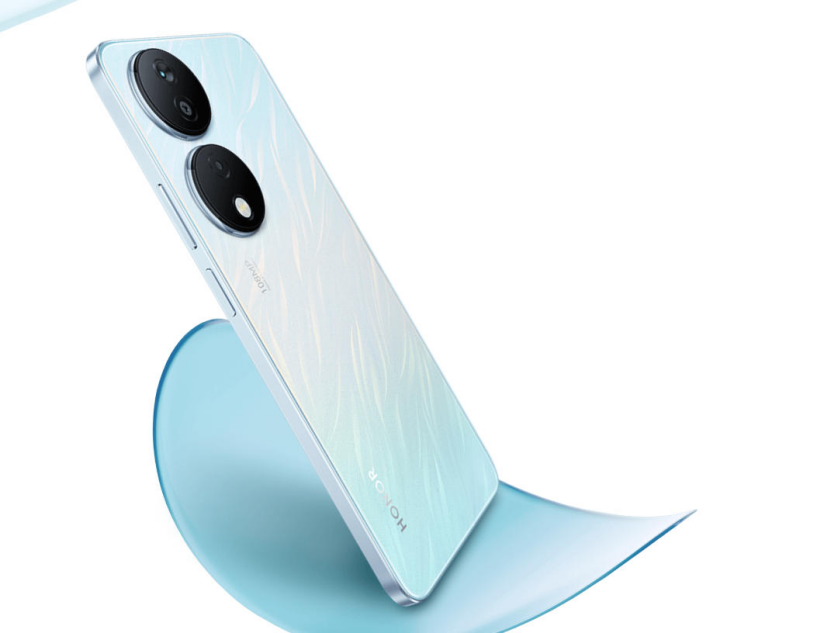
People interact with their phones repeatedly while navigating—zooming the map, checking lane guidance, reviewing upcoming turns, or switching views. This keeps both the processor and display active. Unlike passive media consumption, navigation encourages frequent touch inputs paired with ongoing visual updates. The longer the journey, the longer these components run at elevated levels. This is where a subtle recommendation fits naturally: the HONOR X7b offers a clean visual layout that supports extended viewing, helping users stay focused on the route without feeling overwhelmed by overly complex visuals. When the interface remains simple, navigation becomes easier to follow and less cognitively tiring.
Conclusion
Smartphones drain faster during navigation because the task activates several power-intensive systems at the same time. GPS chips track movement continuously, networks supply real-time updates, sensors refine accuracy, and the display remains illuminated for long stretches. The processor interprets all these elements in real time, creating a demanding workload that surpasses most daily activities. Despite the heavy energy use, navigation remains one of the most essential smartphone functions, relied upon for commuting, travel, and daily problem-solving. When a device manages these complex tasks smoothly, the overall experience becomes far more reliable. Phones built with efficient system behavior, such as those in the Honor lineup, support consistent navigation performance without adding unnecessary friction.
Hot Articles